Temporal Performance Metrics Log: 120307677, 3362284004, 606666832, 6651168, 8662413330, 3444585889

The Temporal Performance Metrics Log presents a series of significant numerical entries that reflect variations in performance over time. Each metric serves as a data point for organizations aiming to assess efficiency and operational effectiveness. By systematically analyzing these figures, one can uncover underlying trends and potential bottlenecks. This analytical approach raises questions about the implications of these metrics for businesses striving for continuous improvement and adaptability in a competitive landscape.
Understanding Temporal Performance Metrics
Understanding temporal performance metrics is crucial for evaluating the efficiency and effectiveness of processes over time.
Temporal analysis enables organizations to track performance variations and identify trends, while performance benchmarking provides a comparative framework against industry standards.
Analyzing Key Data Points
Analyzing key data points is essential for gaining insights into temporal performance metrics.
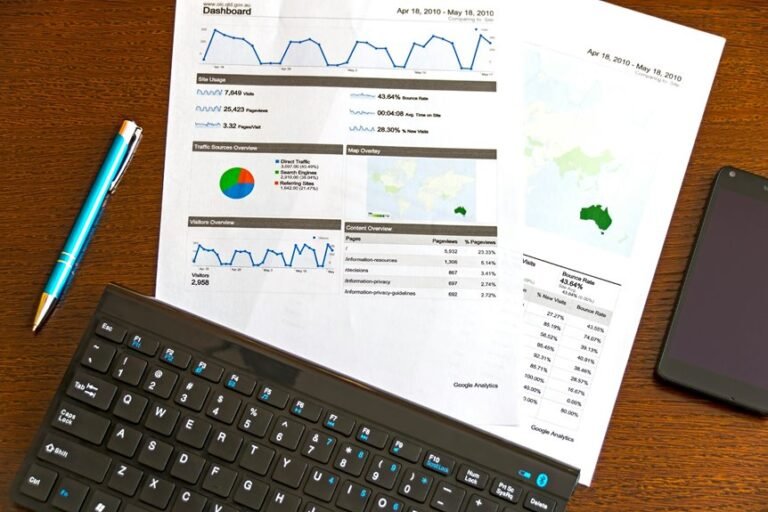
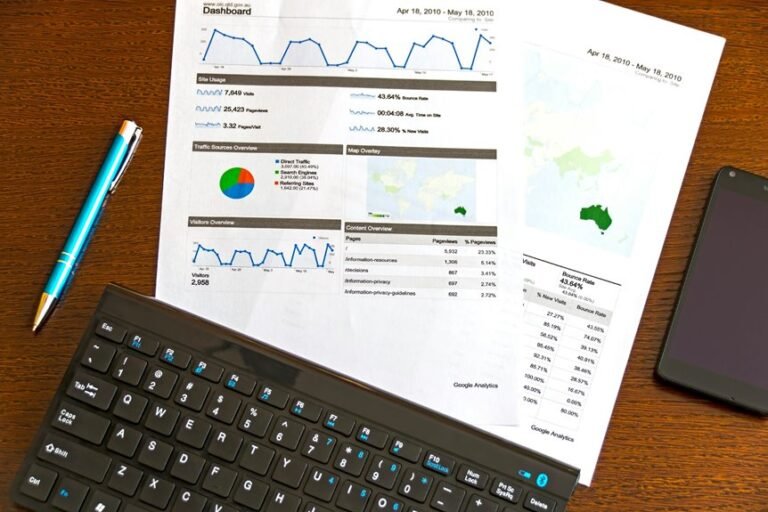
By employing data visualization techniques, stakeholders can effectively interpret complex datasets.
Comparative analysis further enhances understanding by allowing for side-by-side evaluations of performance indicators.
This structured approach promotes clarity, enabling informed decision-making and fostering a culture of transparency, ultimately empowering individuals to leverage data for greater operational freedom.
Identifying Trends and Bottlenecks
How can organizations effectively identify trends and bottlenecks within their temporal performance metrics?
Through systematic trend identification and detailed bottleneck analysis, organizations can reveal patterns in data that reflect operational efficiencies or hindrances.
Monitoring performance metrics over time facilitates the recognition of recurring issues, enabling proactive measures to enhance processes.
This analytical approach empowers organizations to navigate complexities, ensuring sustained operational freedom and adaptability.
Leveraging Metrics for Enhanced Productivity
Harnessing performance metrics allows organizations to unlock pathways to enhanced productivity.
By implementing metrics-driven decisions, companies can identify specific areas for productivity optimization.
Analyzing data enables leaders to allocate resources effectively, streamline processes, and foster a culture of continuous improvement.
This analytical approach empowers teams to operate with greater autonomy, ultimately leading to improved outcomes and a more dynamic organizational environment.
Conclusion
In conclusion, the Temporal Performance Metrics Log serves as a beacon of insight, illuminating paths toward operational excellence. By meticulously analyzing the labyrinth of data points, organizations can gracefully navigate the complexities of performance variations. This invaluable resource not only unveils hidden trends and potential bottlenecks but also empowers businesses to cultivate a culture of continuous growth and improvement. Embracing these metrics ultimately paves the way for enhanced productivity, fostering resilience in an ever-evolving landscape.