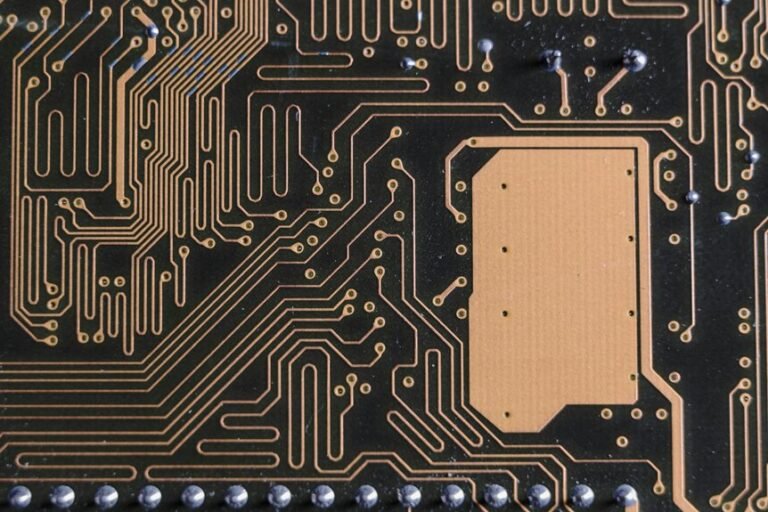
Signal Integrity Validation Report: 623399670, 848980223, 1283593000, 977274507, 608191820, 975309675

The Signal Integrity Validation Report for identifiers 623399670, 848980223, 1283593000, 977274507, 608191820, and 975309675 presents critical insights into high-speed digital circuit performance. It highlights significant issues such as impedance mismatch and elevated bit error rates. The findings underscore the need for refined design methodologies. Addressing these problems is essential for optimizing circuit reliability. What advanced strategies can engineers employ to mitigate these challenges effectively?
Overview of Signal Integrity Validation Reports
Signal Integrity Validation Reports serve as critical assessments in the design and implementation of electronic systems, particularly in high-speed digital circuits.
They evaluate potential signal degradation through various measurement techniques, ensuring that signal integrity is maintained throughout the system.
These reports provide insights that guide engineers in optimizing circuit performance, ultimately facilitating the creation of robust electronic devices capable of meeting modern demands.
Key Findings From the Validation Report
The analysis presented in the Signal Integrity Validation Report highlights several critical findings that impact the performance of high-speed digital circuits.
Notably, the presence of signal degradation due to impedance mismatch was identified as a significant concern.
These factors can lead to diminished signal quality, increased bit error rates, and overall inefficiency in circuit operation, underscoring the necessity for careful design considerations in high-speed applications.
Implications for Design and Testing Processes
Given the identified issues related to signal degradation and impedance mismatch, it becomes imperative for engineers to reassess their design and testing methodologies.
Incorporating robust design considerations, such as optimized trace geometries and materials, will enhance performance.
Additionally, refining testing methodologies to include comprehensive analyses will ensure that potential failures are identified early, ultimately leading to more reliable and efficient electronic systems.
Strategies for Enhancing Signal Integrity
Achieving optimal signal integrity requires a multifaceted approach that encompasses several key strategies.
Implementing effective noise reduction techniques is crucial, as it minimizes interference and enhances clarity.
Additionally, careful design of transmission lines ensures proper impedance matching and reduces reflections.
Utilizing advanced materials and shielding methods can further safeguard signal quality, promoting reliable performance in high-speed applications and preserving data integrity across diverse electronic systems.
Conclusion
In conclusion, the Signal Integrity Validation Report underscores the critical need for optimized design methodologies in high-speed digital circuits, particularly given that impedance mismatches can lead to bit error rates exceeding 10^-6 in performance-sensitive applications. By implementing advanced strategies for noise reduction and impedance matching, engineers can significantly enhance circuit reliability and efficiency. This proactive approach not only mitigates current issues but also sets a foundation for the development of robust electronic systems in the future.