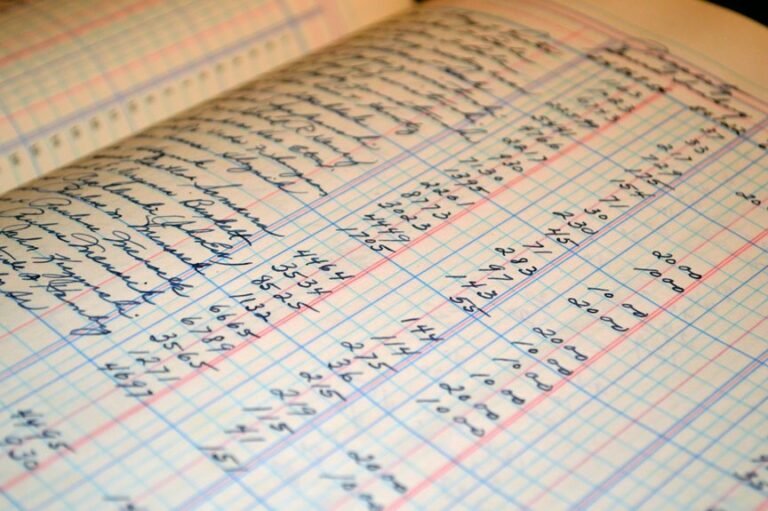
Temporal Distribution Log: 442003548, 570783987, 938134630, 8000853955, 423690840, 933098472

The Temporal Distribution Log presents a series of numerical data points that hold significant potential for analysis. These entries serve as markers for understanding the timing and frequency of various events. By examining these numbers, one can uncover underlying trends and patterns. This analysis may lead to improved decision-making and strategic optimization. The implications of such insights are worth exploring further, as they could fundamentally alter organizational dynamics.
Understanding Temporal Distribution Logs
Temporal Distribution Logs serve as essential tools for analyzing the timing and frequency of events within a specified timeframe.
They reveal temporal trends through systematic data collection and analysis. By employing data visualization techniques, stakeholders can discern patterns, facilitating informed decision-making.
Understanding these logs empowers individuals to navigate complexities, fostering a sense of autonomy and clarity in managing temporal dynamics effectively.
Applications of Temporal Analysis
While organizations increasingly recognize the importance of timing in decision-making, the applications of temporal analysis extend across various fields, including finance, healthcare, and marketing.
By employing temporal forecasting, businesses can identify significant temporal trends and enhance decision-making processes.
Additionally, event sequencing and data visualization facilitate a clearer understanding of time-related patterns, ultimately empowering organizations to optimize strategies and improve outcomes.
Correlating Patterns With Historical Data
By analyzing historical data, organizations can uncover correlations that reveal significant patterns over time.
This process of pattern recognition enables the identification of data trends that inform predictive modeling.
By examining historical correlations, entities can forecast future events, optimizing their approaches and enhancing decision-making.
Ultimately, leveraging these insights empowers organizations to navigate complexities with greater agility and foresight.
Optimizing Strategies Through Temporal Insights
Organizations can significantly enhance their strategic approaches when they leverage insights gained from temporal data analysis.
By identifying temporal trends, businesses can refine their decision-making processes. Data forecasting enables organizations to anticipate market shifts, allowing for proactive adjustments to strategies.
This analytical approach not only fosters agility but also empowers organizations to seize opportunities, ultimately leading to improved performance and sustained competitive advantage.
Conclusion
In conclusion, the analysis of the Temporal Distribution Log underscores the significance of recognizing patterns within temporal data. By investigating the correlation between these entries and historical trends, organizations can validate theories regarding event frequency and timing. This understanding not only supports strategic decision-making but also enhances predictive capabilities. Ultimately, leveraging temporal insights can lead to optimized operational strategies, enabling organizations to maintain a competitive advantage in an increasingly data-driven landscape.